

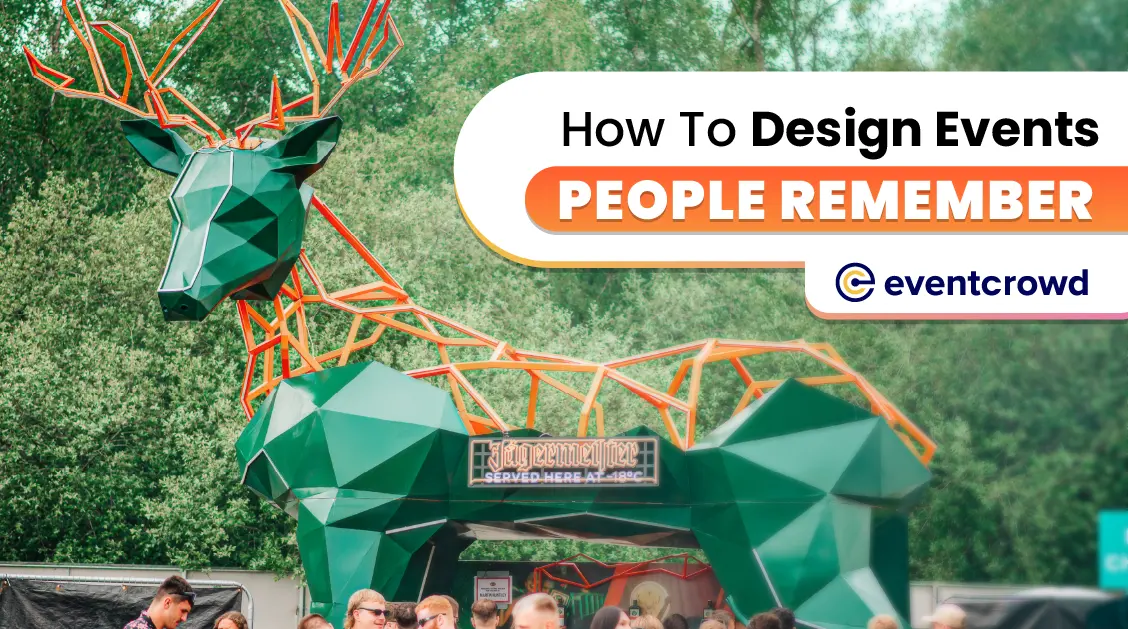
When picturing the last memorable event you attended, do you remember the location, the music or background noises, the atmosphere you were surrounded with, the colours and décor of the venue?
Most of you are likely to have a pretty good idea. This is due to the way we perceive memorable moments. Within the events world, there will be a whole creative team who will have been working for months behind the scenes to help cultivate the atmosphere you experienced in that moment. There is a well-researched direct positive correlation between attendees having a positive experience after attending a memorable event, therefore showing the impact of designing an event that people will remember. Within this article, we will dive into helping readers understand the emotional impact, as well as how event engagement ideas and thoughtful event planning tips contribute to successful events.
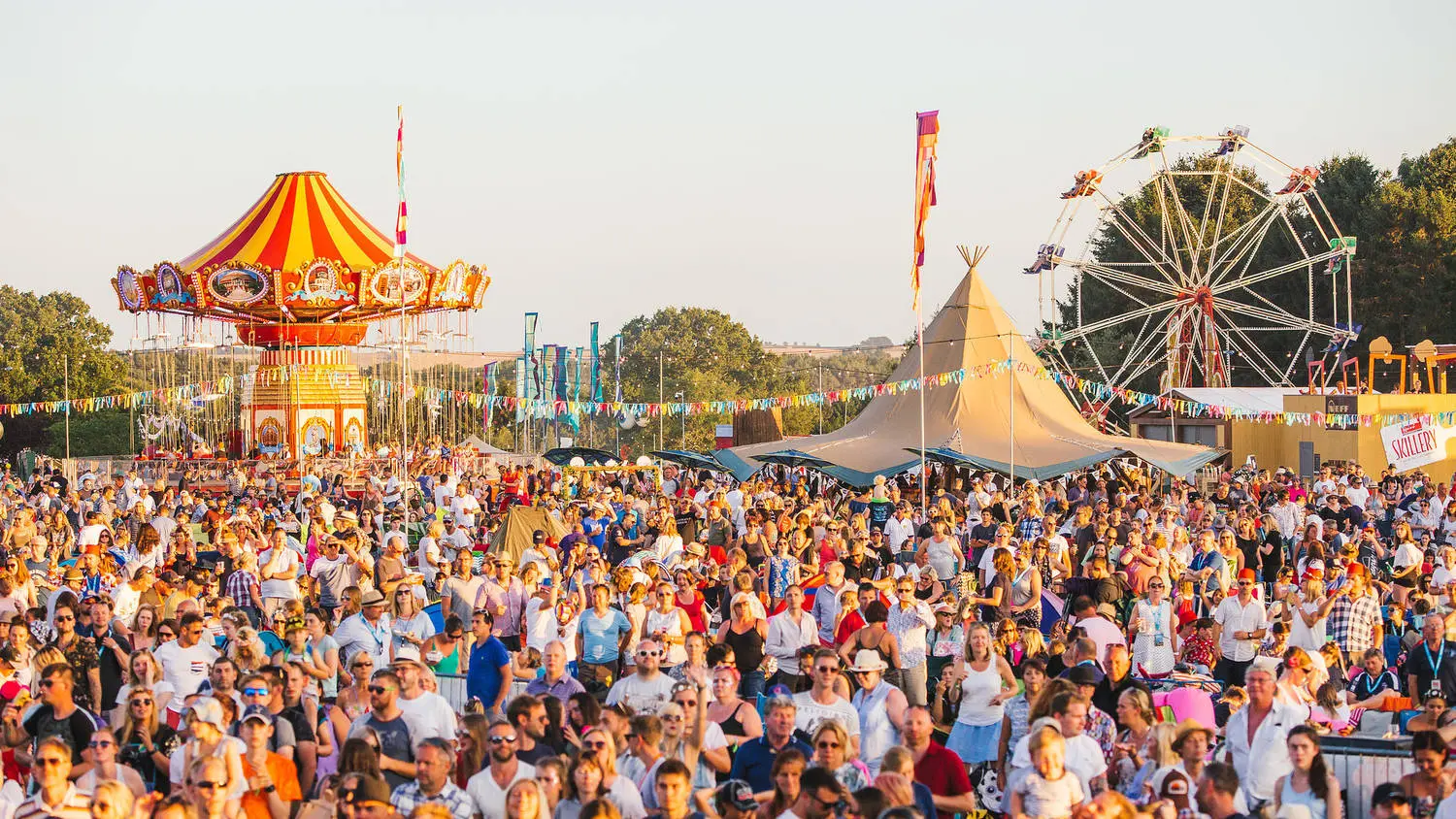
Every event will have an objective, which will therefore influence an event’s design and the creative team’s decisions. In order for an event to be successful, it is vital the event team understand the event brief and outcomes they want for attendees. These event aims can vary from educational needs, networking, celebrations or brand awareness. It’s very important an event manager is able to understand what success looks like for the specific event to work out how to get there. Event design can influence this and be tailored towards the needs of an event.
The backbone of creating a successful event stems from understanding who you are targeting, so you can tailor your event to what appeals to your audience. Creating an audience-centred design is a vital way to build trust, connections and clear communication between the brand and customers. This can be curated during the build, live and post-event stages through clear marketing and storytelling, through the creative aspects and designs delivered during the live event, through to the post-event stages to build up excitement for the next year. Events must be designed with the customer at the forefront of organisers’ minds, as they are the people you are tailoring the event for.
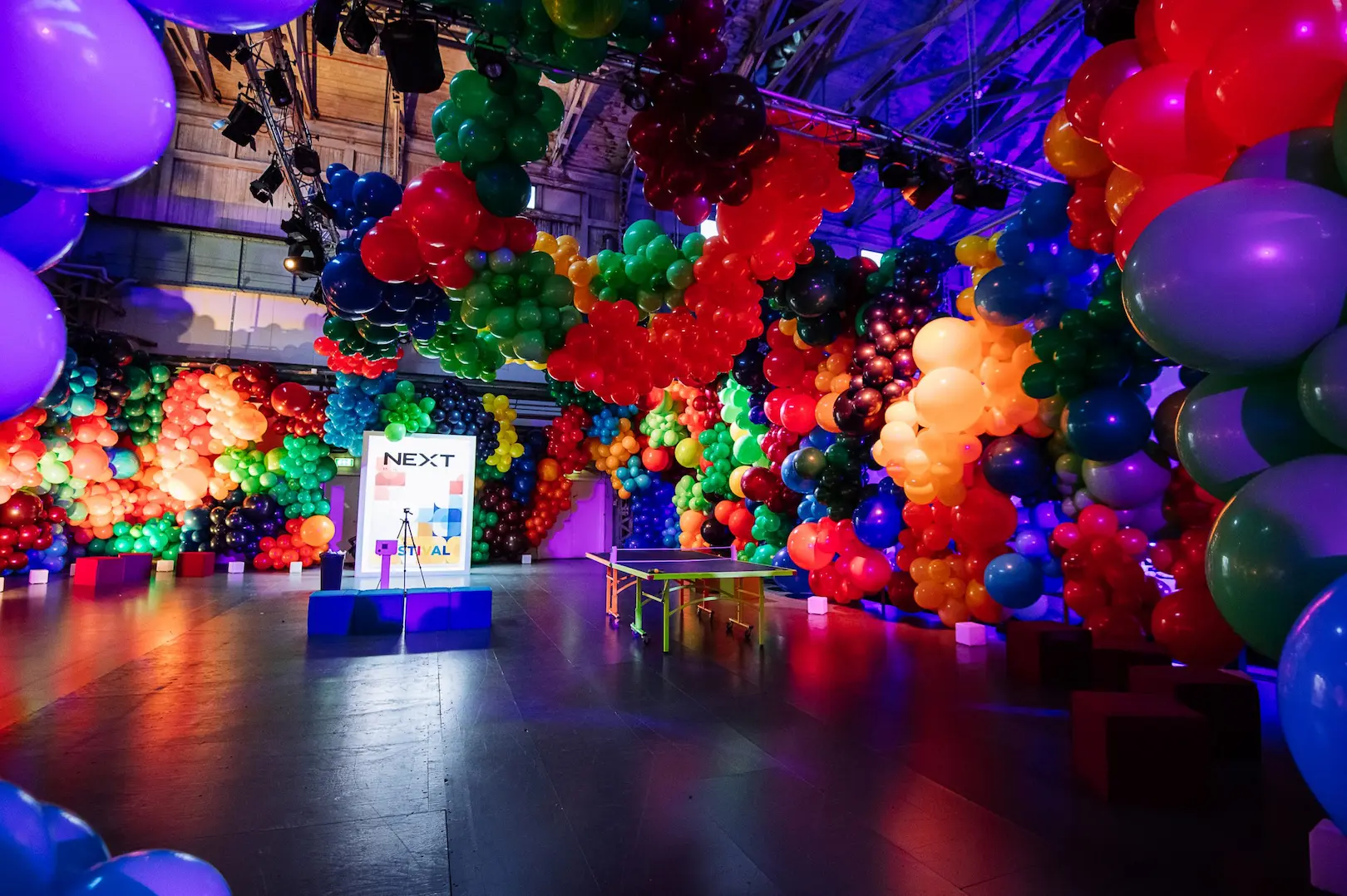
In order to create a memorable event, there must be a clear story and theme that aligns with the concept. This can be shown through cohesive marketing that is tailored to build on different emotions during different stages. Marketing and themes must be cohesive across every stage of the event so that customers build a connection with the brand and the event meets expectations. To build a memorable event, this can be done in multiple ways, including unique themes and interactive experiences to take your customer on a journey throughout your event, from when they first step foot in the venue to the end of the day when they are leaving.
In order to maintain a memorable event, each touchpoint of an event must be seamless to allow for a smooth attendee experience. This needs to be maintained from first impressions, registration experience, flow, comfort and overall atmosphere. An event manager must be able to manage and ensure this is all executed smoothly through each stage of the event. Studies on memory retention show humans can forget up to 50% of new, non-emotional details within an hour, and 80% within the first 24 hours, therefore confirming the importance of building an emotional connection with event attendees and ensuring they are engaged and have a memorable experience.
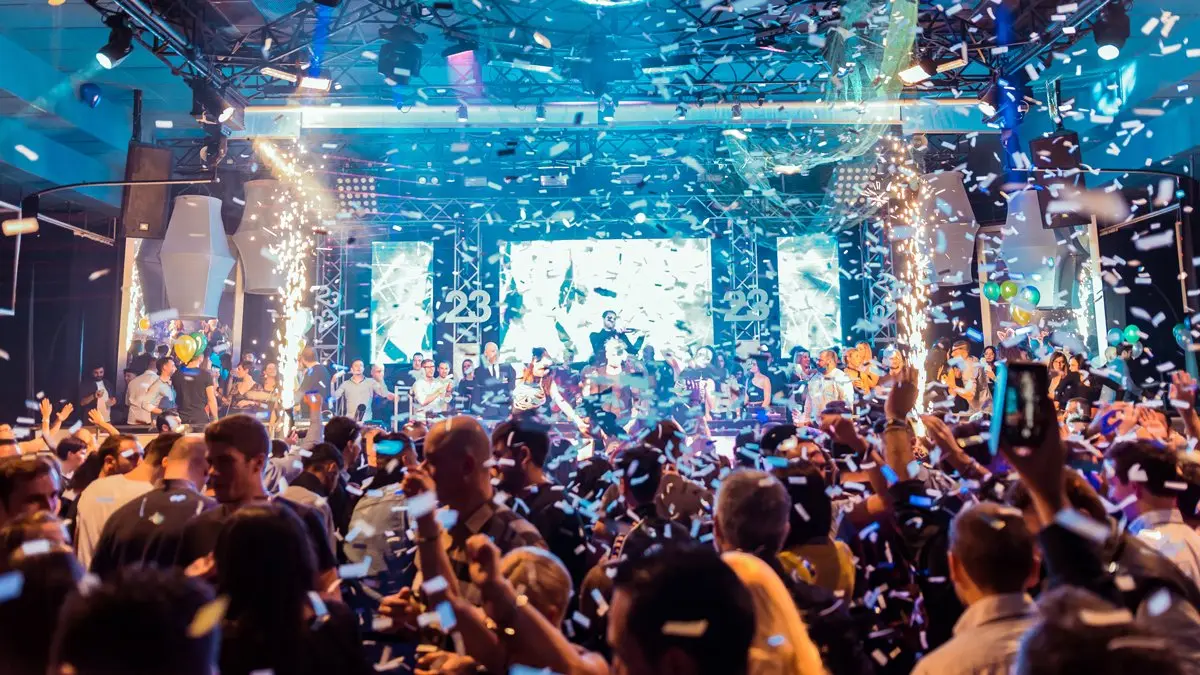
Creating a multi-sensory experience for attendees can have an extremely powerful impact on triggering emotional reactions, and in turn lead to having a more memorable impact at an event. Think about your own experiences: how a specific song can instantly transport you back to a moment in time. This is the power event planners hold over their attendees. There are multiple ways events can evoke these reactions – from the visuals of lighting, décor and staging, down to the music and audio quality to ensure the atmosphere is spot on.
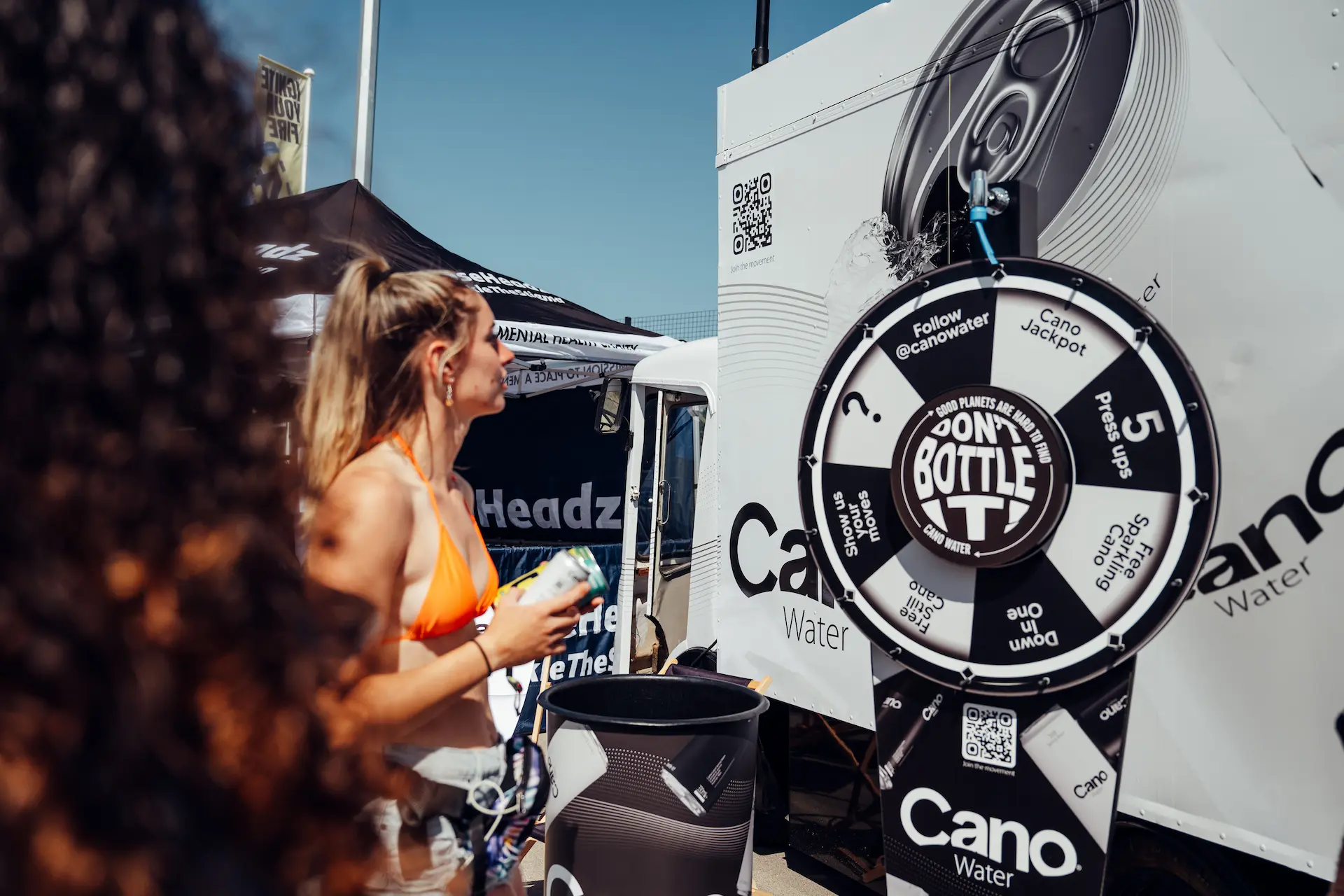
Active participation amongst attendees at an event contributes to an overall more engaging and successful event. Techniques such as interactive sessions, workshops and hands-on activities promote better knowledge retention. Attendees who participate and interact with event content will consequently have a more memorable experience. This not only leads to a more memorable event, but also encourages networking opportunities, brand awareness and return on investment. When attendees feel like they’ve gained value – whether that be emotionally, experientially or physically – they are much more likely to return, recommend the event and continue engaging with the brand. Ultimately, creating interactive moments drives stronger connections, greater brand awareness and long-term event success.
Being meticulous when planning an event is key to building a successful event. A well-planned event reflects your brand identity through consistent messaging and visuals. Focusing on the finer details, for example, comfortable seating arrangements, readily available charging stations and clear signage throughout the venue, adds to an attendee’s comfort and satisfaction at an event. Ensuring the event has a smooth flow allows attendees to navigate the event seamlessly. Paying attention to accessibility and transitions between areas allows for a more enjoyable, stress-free user journey – allowing more time for them to fully engage with the event. A well-organised event with attention to detail projects a professional image for your organisation and demonstrates the venue’s commitment to excellence, setting a positive tone for future endeavours.
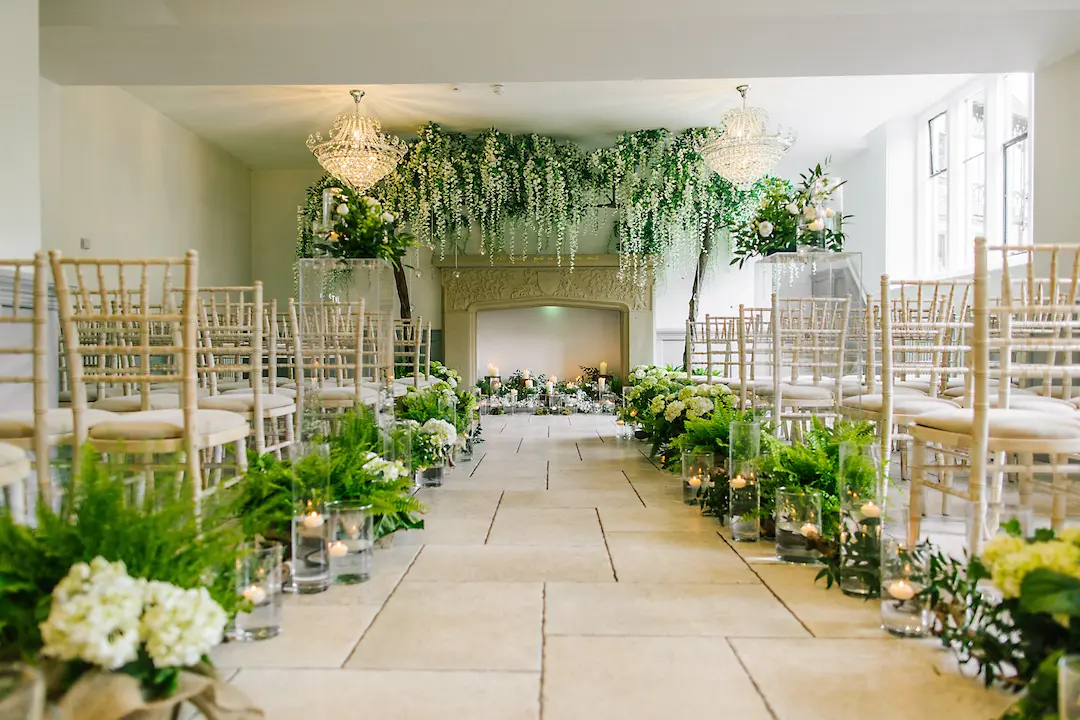
First impressions shape a person’s overall impression of an event, as they have a strong psychological impact on attendees. When attendees have a positive first impression, it sets the tone for the rest of the event, leading to higher engagement and satisfaction. However, this works both ways, and if a customer has a negative first impression, this could negatively impact their experience and potentially ruin their chances of enjoying the event at all. This is why it is crucial to ensure attendees enter the event with a great mindset. Similarly, attendees’ experiences at the end of an event have a large impact on their lasting impressions. This is why you often see activations at the end of events, such as fireworks, a strong final set at a music event, or the closing ceremony at the Olympics for larger-scale events, which are renowned for being experiences in themselves.
There are some easy mistakes that can lead to an unsuccessful event, which is why it is so important for event planners to ensure there are minimal slip-ups. These include focusing only on logistics, ignoring the attendee experience, overcomplicating the event design and poor signage leading to a disjointed flow. There are a few things we can do to avoid these mistakes. Often, event managers will walk through the event as if they were an attendee to visualise what parts are missing or could be improved. Key things to look out for include signage and wayfinding, prioritising accessibility, and highlighting any potential safety hazards to reduce risks.
In today’s job market, the ability to create meaningful, memorable experiences is more than a creative asset – it is a professional differentiator. Employers are seeking planners who go beyond logistics and can think strategically about how an event feels from start to finish. Building expertise in event experience design strengthens your employability, opens doors to higher-level roles and sets you apart from others. It signals to clients and employers alike that you understand what is needed to make an event succeed.
Investing in the right training, like Event Crowd offers, will give you a structured foundation to develop these skills with confidence, ensuring you’re equipped to deliver events that leave a lasting impression.
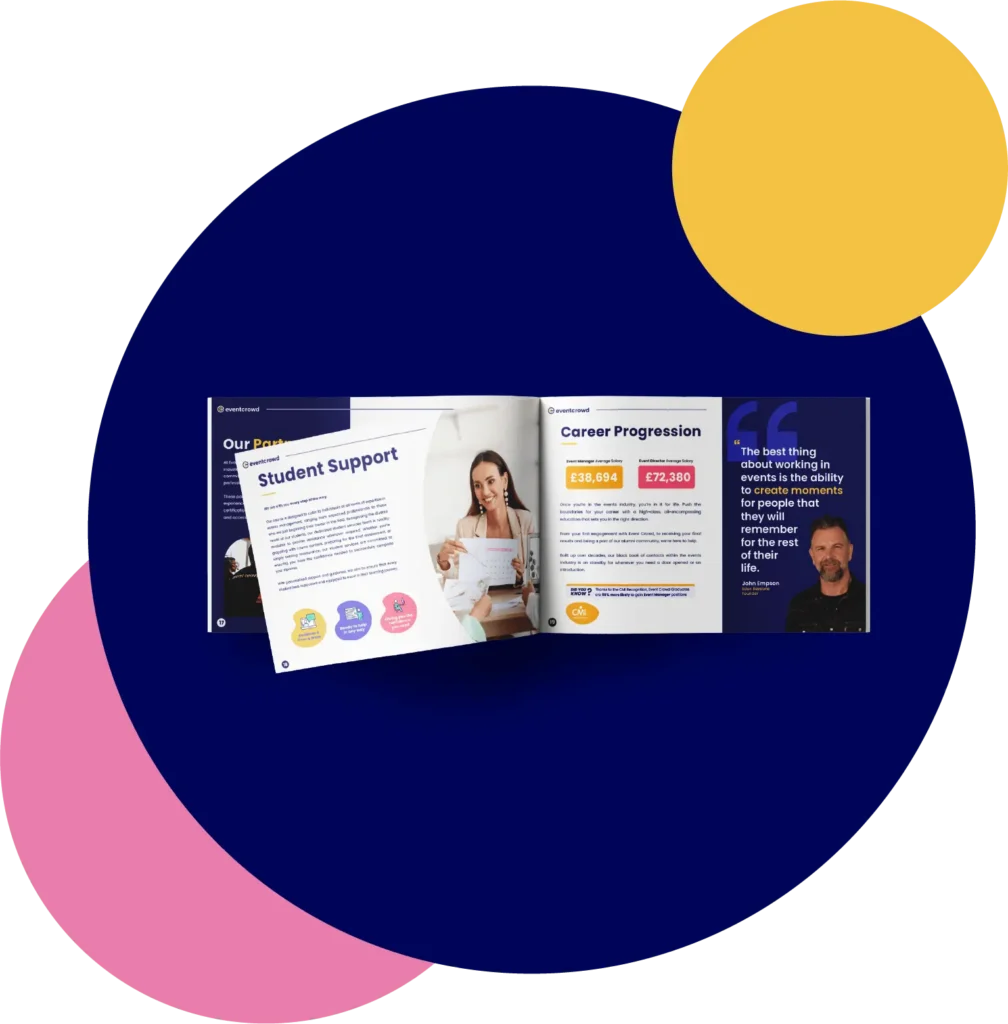
Get a clear overview of our online diplomas, student stories, reviews, and a short course explainer video. Everything you need to see how Event Crowd can help you advance in the events industry.
We’ll send a copy of the brochure directly to your email address.
We’ll send a copy of the brochure directly to your email address.

We’ll use your details to send our brochure directly to you.