

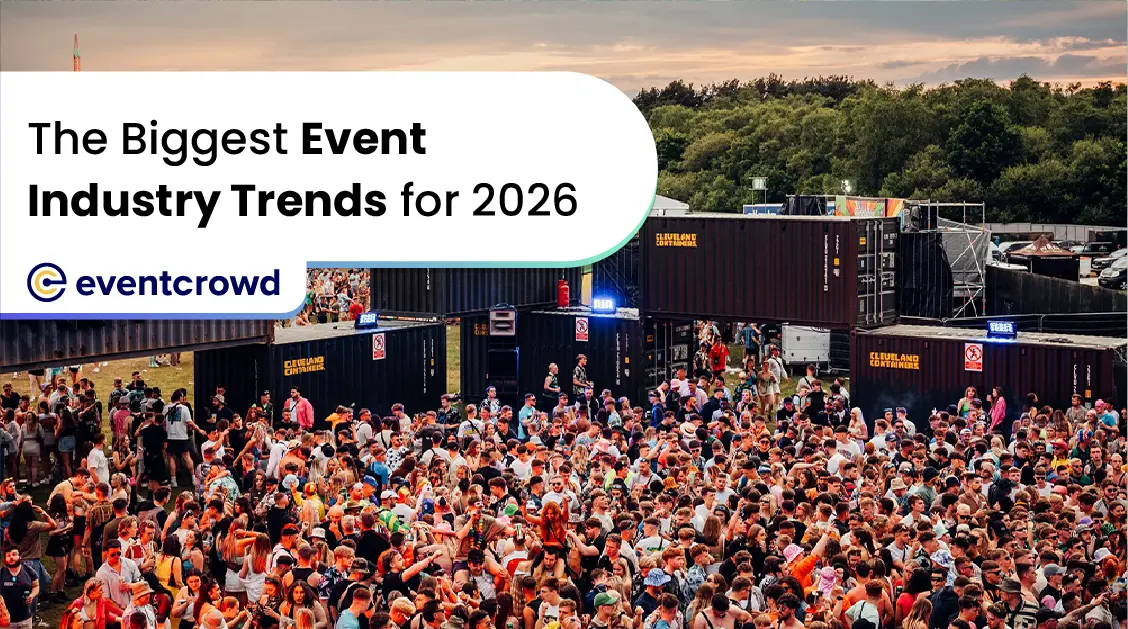
The evolution of events is changing year on year, as new technologies, audience expectations and marketing strategies reshape how events are planned and delivered. In 2026, event professionals are focusing on creating more personalised, engaging and measurable experiences that deliver real value for attendees and organisations.
This leads onto my article which answers, what are the latest trends in the event industry?
2026 is set to be the year that Artificial Intelligence (AI) is making a change in the eventsvindustry, now the initial excitement over the emergence of AI has died down, companies are now beginning to understand the magnitude and effectiveness of utilising AI as a planning tool.
AI is now being used as a way of gaining a deeper understanding of customers’ needs at an event in order to create tailored “microexperiences” for attendees. Microexperiences refer to short, strategic snippets within an event designed to create a tailored, memorable & emotional impact on attendees. Some examples of this include AI-powered personalised experiences, 1-1 mentoring sessions, behind the scenes tours, live Q&A’s, digital concierge, pop up beverage bars, guided journey zones. These moments are curated to provide a targeted, personal approach that statistics have shown lead to a higher return on investment (ROI) within the
events industry.
Personalisation plays a role in most of our day-to-day digital activities and is used across multiple platforms, whether through social media, emails, or even the TV adverts we are shown.
We experience personalised content across these channels, so the same should apply when attending an event. Statistics show 70% of consumers expect a personalised experience, validating the importance to showcase this within an event setting too. With the help of AI & micro-experiences becoming more popular within the event industry, attendees are increasingly looking for more tailored, personalised experiences.
Some examples include:
➔ Targeted networking opportunities
➔ Personalised agendas
➔ Custom event content
Personalisation is key to making events more engaging and memorable, it also drives engagement, strengthens brand loyalty and provides valuable data insights.
Since the COVID pandemic, event attendees have naturally become exposed to more flexibility to attend events, whether this be virtually or hybrid. This has led to an opportunity for them to find preferences to which events they would like to attend, often down to accessibility which is creating a higher competition between events. This signifies the importance for event companies to be adapting their events to accommodate for these changes to keep up engagement and attendance.
Hybrid events combine in-person experiences with virtual participation, this format provides a key solution which allows flexibility for organisers to reach wider audiences while increasing engagement with a reduced impact on the environment. Hybrid events have been highlighted as a pivotal tool for event professionals in 2026, with 70% of event companies incorporating hybrid event options into their role.
The use of hybrid events can be utilised as an omnichannel for events to attract a wider audience and increase profitability. The key difference between hybrid and other event types is the flexibility it offers for people who would struggle to attend an event in person, but also want to experience the feelings of being at the event; this is the perfect solution.
Some key hybrid event examples include:
➔ Conferences
➔ Trade shows
➔ Product launches
➔ Workshops
➔ Cultural events
➔ Award ceremonies
➔ Networking events
Sustainability has over the past 5 years become more than a general trend, but is now an integral part of business models. Sustainability has been growing within this industry massively and has simultaneously led to a higher ROI within the event space, this has in turn pushed more event businesses to focus more on implementing sustainable practices. Rather than sustainability being a choice, it has developed into more of a requirement now for businesses. Sustainability can be incorporated into events in many different ways, some of these may include:
➔ Eco-friendly Venues
➔ Carbon offsetting
➔ Locally sourced food
➔ Water refill stations
➔ Digital first approach
➔ Reuse and recycle
Whilst there are clear benefits to a business becoming more sustainable, it isn’t always marketed correctly – leading to miscommunication on business’s behalf. One of the main issues businesses face is from ‘greenwashing’ which refers to when a company misleads their audience to appear to be more sustainable than they are. Within the event space, this can refer to smaller details like offering small eco-friendly gestures to distract from the major environmental impacts like waste or travel. This lack of transparency can have a detrimental effect on a business, leading to a complete lack of trust between the customer and business and potential loss of attendees. The rise of greenwashing within the event space has led to a lack of trust between attendees and business, highlighting the importance of ensuring transparency on company’s sustainability model.
Many companies are focussing more on immersive and interactive events, to allow for more memorable events. In 2026 there has been a visible trend within the events industry where people are focussing on transforming attendees from observers to active participants.
The immersive experiences market is projected to grow from £64 billion to £367 billion by 2030, with more attendees choosing to spend money on experiences rather than physical goods. This is a great stat for the events industry, planners should be using this to their advantage to ensure their events leave attendees feeling like they have learnt or experienced something from it.
Some examples of brand experiences include:
➔ Brand activations
➔ Interactive workshops
➔ Storytelling
➔ Audience participation
Incorporating this into events can cultivate stronger emotional connections through a variety of tailored technology, scent and sound, therefore leading to a higher ROI and engagement from attendees.
With the incorporation of AI and modern technology, event planners are increasingly using data to measure event ROI, track engagement and optimise marketing strategies. Data driven event planning utilises analytics, attendee behaviour and feedback to make calculated decisions rather than going off instinct. Data can be tracked differently dependant on the different stages of the event:
➔ Pre-event – Reviewing data from previous events, survey responses, and registration
trends can help identify suitable topics, speakers, and the most effective event format.
➔ During the event – Using event apps and monitoring social media activity allows
organisers to measure engagement and understand which sessions are most popular.
➔ Post-event – Collecting feedback through surveys, analysing Net Promoter Scores
(NPS), and assessing ROI can help measure overall success and inform future event
strategies.
Collating this data allows organisations to ensure events deliver measurable results and business impact.
Utilising events into a strategy to drive brand experiences helps transform an attendees experience into a more personalised, active engagement. Companies now use events to build community, communicate brand values, and strengthen relationships with audiences. Events are increasingly being seen as strategic brand touchpoints, in a busy 2026 event space it is particularly important for event organisers to stand out from the crowd and ensure a smooth and enjoyable event experience.
The events industry in 2026 is defined by technology, personalisation and purposeful experiences. Event planners who adapt to these trends will be better positioned to create successful events. Staying informed about industry changes helps professionals remain competitive, relevant and innovative in an industry that never stands still.
For those looking to build their skills or stay ahead of the latest trends, Event Crowd’s online Event Management courses are designed with the modern events industry in mind. These courses help aspiring and experienced event professionals develop practical, up-to-date knowledge that can be applied to real-world events.
Get a clear overview of our online diplomas, student stories, reviews, and a short course explainer video. Everything you need to see how Event Crowd can help you advance in the events industry.
We’ll send a copy of the brochure directly to your email address.
We’ll send a copy of the brochure directly to your email address.

We’ll use your details to send our brochure directly to you.