

Social media has completely transformed the way events are promoted. If, not too long ago, organisers relied primarily on physical posters, billboards, and local press releases, today’s most successful events are just as likely to be discovered through an Instagram story or TikTok video.
Beyond social media campaigns and paid ads, influencer marketing has become one of the most powerful tools in modern digital marketing. From product launches to festivals and conferences, many event organisers now work with online creators to promote their events and attract attendees.
But, does influencer marketing actually work for events? Let’s take a closer look.
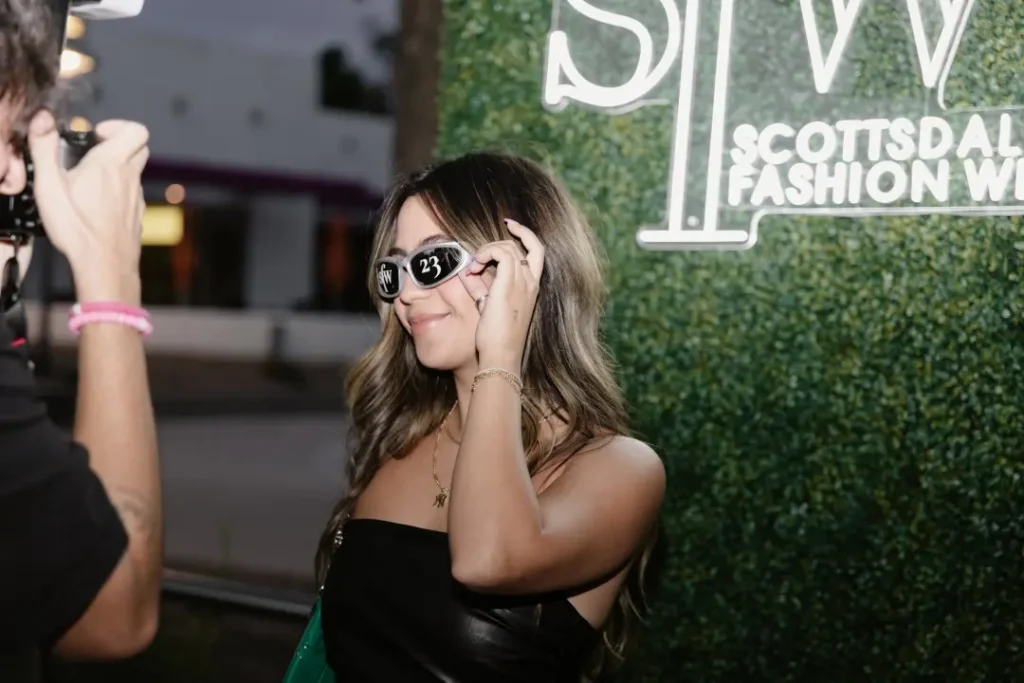
So, what is influencer marketing, exactly? At its core, influencer marketing involves collaborating with social media creators or well-known industry figures who have managed to build established, loyal audiences. Rather than a brand speaking directly to consumers, an influencer endorses a product or, in our case, an event to their followers in a way that feels authentic and natural to them.
Influencers can be found across various different platforms: Instagram and TikTok are popular for short-form fashion, lifestyle, and entertainment content; YouTube suits long-form videos such as vlogs (video blogs) and product reviews; LinkedIn is primarily used by thought leaders and industry figures in professional settings.
In practice, content creators may use a mix of formats to promote events, including sponsored posts, stories, short-form video clips (e.g. Instagram Reels), live streams, ad breaks during podcasts, broadcast channels, and direct audience engagement.
It’s no surprise that influencer marketing for events has grown in popularity so rapidly. The reasons are pretty compelling.
For starters, influencers have access to large, highly engaged audiences that are extremely difficult to reach through traditional marketing channels alone. A well-placed post from the right creator can put your event in front of thousands, if not millions, of eyeballs overnight.
In fact, they have the power to generate real social media buzz that takes on a life of its own. Coachella, one of the biggest music festivals in the US, is a great example of this. Thanks to the army of influencers and content creators promoting and attending the festival, Coachella dominates social media every single year, without fail. Millions of people, who will probably never attend, engage and feel a part of it anyways – and that kind of cultural relevance is absolutely priceless in the event industry.
But, it’s not just about the reach. Influencers also offer a level of authenticity and audience trust that no amount of money can buy through conventional advertising. They have a following that truly admires and trusts them, so promotions feel more like a personal recommendation rather than an advert, resulting in higher conversion rates.
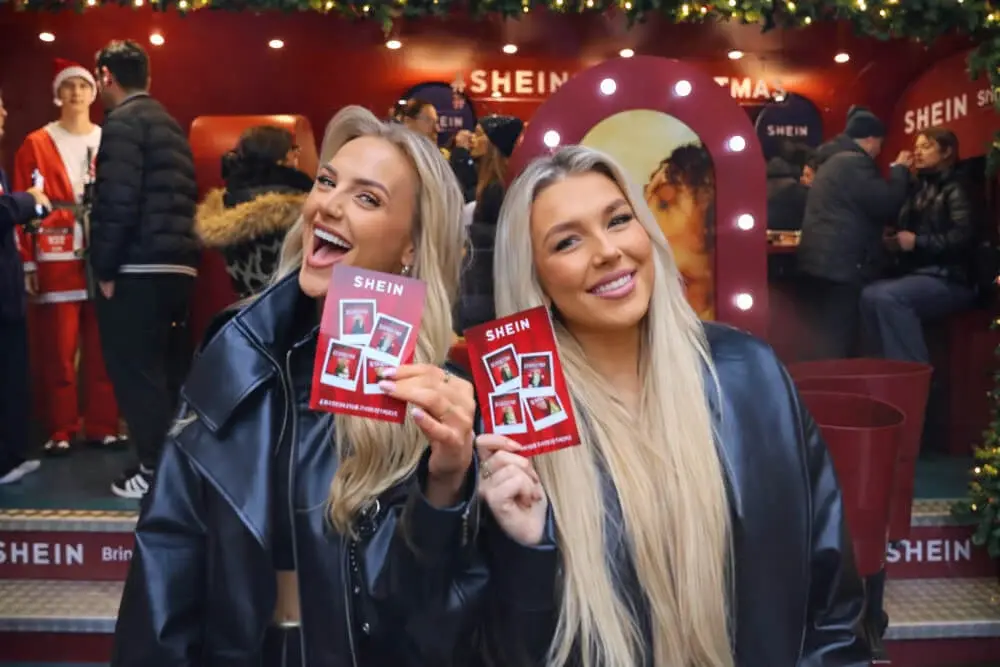
Influencer involvement in event promotion can take many different forms, and the most effective campaigns typically use a mixture of them. Here are some of the of the most common ways social media creators can attract attendants:
When done well, an influencer marketing strategy can deliver amazing benefits for event organisers.
Increased event visibility is, of course, the most obvious. Organisers have an opportunity to tap into the influencer’s existing audience, reaching far more people than through general social media campaigns alone.
Another major advantage is the strong audience engagement. Influencer content tends to generate a lot more follower engagement, such as comments and shares, than branded content. This means a single post can lead to lots of organic promotion and conversation around the event, without much extra effort.
Targeted reach is where influencer marketing can be really beneficial. Most creators have a specific audience, whether it’s tech enthusiasts or B2B professionals. Rather than casting a wide net, event organisers can choose to work with creators whose following matches their ideal attendee profile.
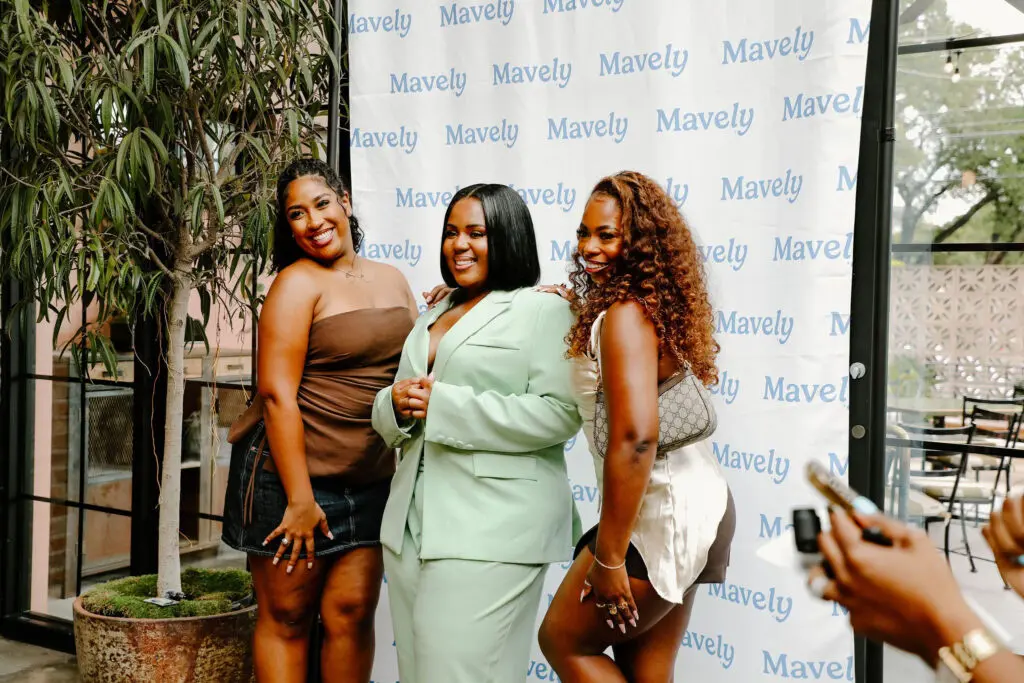
Of course, just like any other marketing campaign, using influencer marketing for events isn’t without its own challenges. Some of the potential difficulties include:
Regardless of how many followers the creator has, if the audience has little relevance to your event then it’s unlikely to deliver results. Even worse, the promotion might feel forced and inauthentic, negatively impacting both the event and the influencer.
Unlike paid advertising with clear click-through data, the impact of an influencer campaign is much trickier to track, even with the use of UTM links. That’s because the attendees may not have booked their tickets directly through the social media platform, at the time of seeing the post, but it doesn’t mean their decision wasn’t influenced by the creator.
While it might sound pretty straightforward, successful collaborations require a lot of careful planning and a thoughtfully-designed influencer marketing strategy. This process hinges on timely communication, clear briefs, constructive feedback, and mutual trust.
As already mentioned above, finding the right fit for your event is crucial. Here are some helpful factors to consider when choosing influencers:
Ready to build a killer influencer marketing strategy? Here are some tips on how to set your campaign up for success:
Always bring the influencers on board as early as possible. The sooner they’re involved, the more time they have to build excitement and reach a wider audience before the event. This also gives you more time to review and approve deliverables, avoiding any last-minute surprises.
Influencers know their audience better than anyone else and there’s nothing worse than content that feels obviously scripted. Provide a clear brief with key points to cover, but always encourage the creator to tell the story in their own, authentic voice.
Use unique promo codes, affiliate links, platform analytics, and sentiment analysis to measure what’s working and what isn’t. This will not only help you understand your ROI better, but allow you to make informed improvements and optimise the campaign even further.
Whether or not an event should use influencer marketing really depends on the type of event and its audience. However, for many types of events, the answer is yes, absolutely!
Here are a couple of examples where influencer collaborations can work incredibly well:
Remember, the key to a successful influencer marketing strategy is making sure the creator’s audience is well-aligned with the event’s target audience.
Influencer marketing has rightfully earnt its place as one of the top tools for promoting events. It helps organisers reach highly-targeted, highly-engaged audiences, generating more buzz and driving more ticket sales, as a result.
But, whether you’re promoting a local networking event or a large-scale festival, the success lies in planning. A well-executed influencer marketing strategy means working with the right creators for your event, giving them the space to do what they do best, and using data to your advantage. Get that right and the results could be truly impressive.
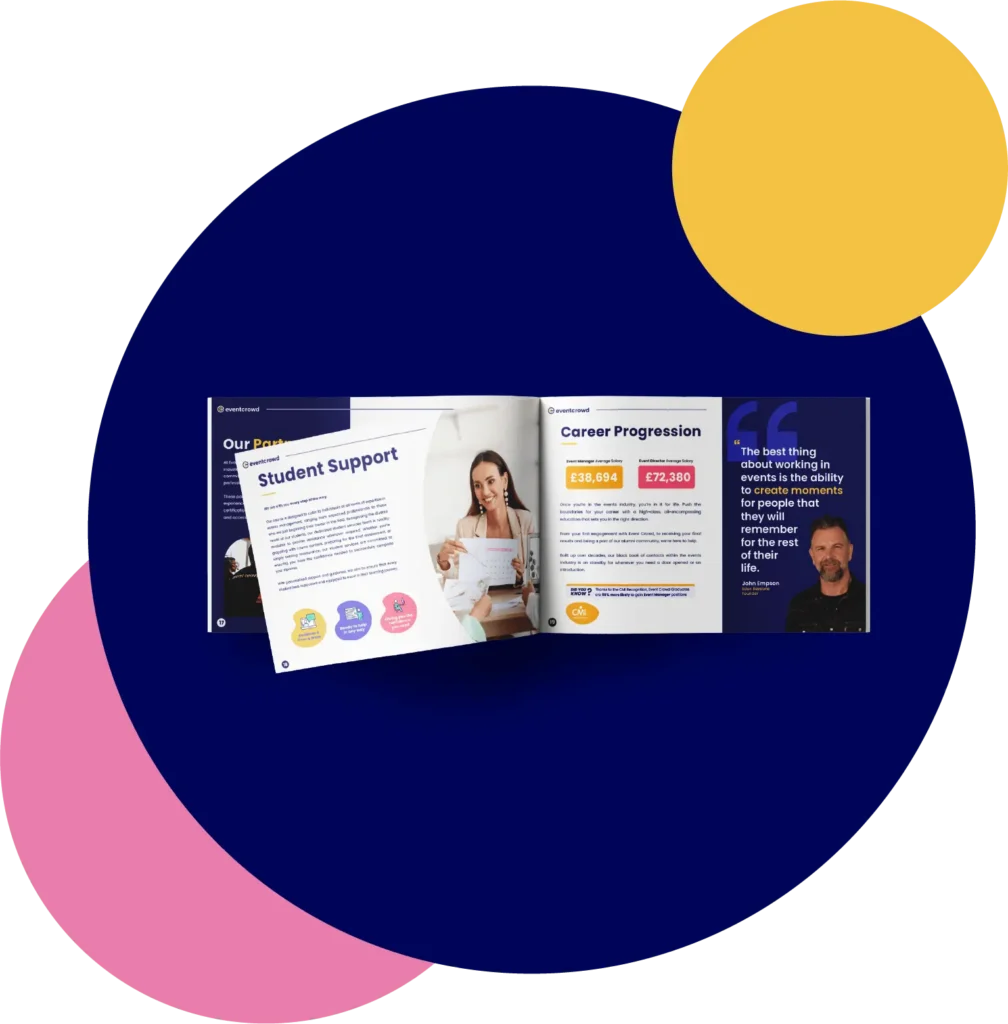
Get a clear overview of our online diplomas, student stories, reviews, and a short course explainer video. Everything you need to see how Event Crowd can help you advance in the events industry.
We’ll send a copy of the brochure directly to your email address.
We’ll send a copy of the brochure directly to your email address.

We’ll use your details to send our brochure directly to you.