


Event Management is an upbeat role, based in one of the UK’s most dynamic industries! It takes a broad set of skills to manage events well. Good organisation, people management, communication, and budget-handling are all crucial. That’s why people need event managers: experts in bringing events from concept to completion.
While there are individuals who find careers in event management without qualifications or specific experience, these paths often take longer and are less replicable for aspiring professionals. By developing certain skills and gaining the right qualifications, aspiring event managers can distinguish themselves from other professionals and stand out in what is now quite a competitive landscape.
In this guide, we offer concrete ways of getting into event management, including key skills, education, experience, and career paths.

What is an Event Manager?
Before we share the best routes into a career in event management, let’s explore the role.
Event managers are the creative and organisational backbone behind the success of an event! They are responsible for the initial planning, management of people, coordination of logistics, budget control, vendor management, and even promotion and marketing.
Events can vary quite significantly based on the industry they are in and the format they take. Some events are corporate, such as exhibitions, virtual events, conferences, and charity campaigns. Others, such as festivals, are rooted in the entertainment industry. However, the role can also include private functions like weddings. This variety is part of why event management roles are so popular!
There are certain skills that are essential in event management. If you’re an adaptable and organised person who gets on well with all sorts of people, then you probably already have a lot of the skills that you need. However, it’s not just about having these skills on paper; you need practical experience to build confidence and empower you in the role.
Qualifications are one of the best ways to increase credibility. They prove that you have key knowledge and expertise and help you stand out from other professionals.
Many aspiring professionals begin by earning a degree in event management, such as a Bachelor of Arts or a Bachelor of Science in Event Management, which offers a comprehensive and detailed education in the field of events. Even though they’re respected, degrees are not suitable for all professionals, as they require significant loans and serious dedication for at least three to four years.
If you’d prefer a more flexible course, diplomas might be a better option. Event Crowd offers a range of brilliant Event Management Courses that lead to a diploma. They are expert-led teaching not only the on-paper basics but also the nitty-gritty of the event industry, learnt from valuable experience in the field. The highest accreditation, the Level 5 Event Management Diploma, is uniquely accredited by the Institute of Event Management (IEM), and recognised by the Chartered Institute of Marketing (CIM), the Chartered Management Institute (CMI), and the CPD Certification Service, equipping students with detailed event expertise!
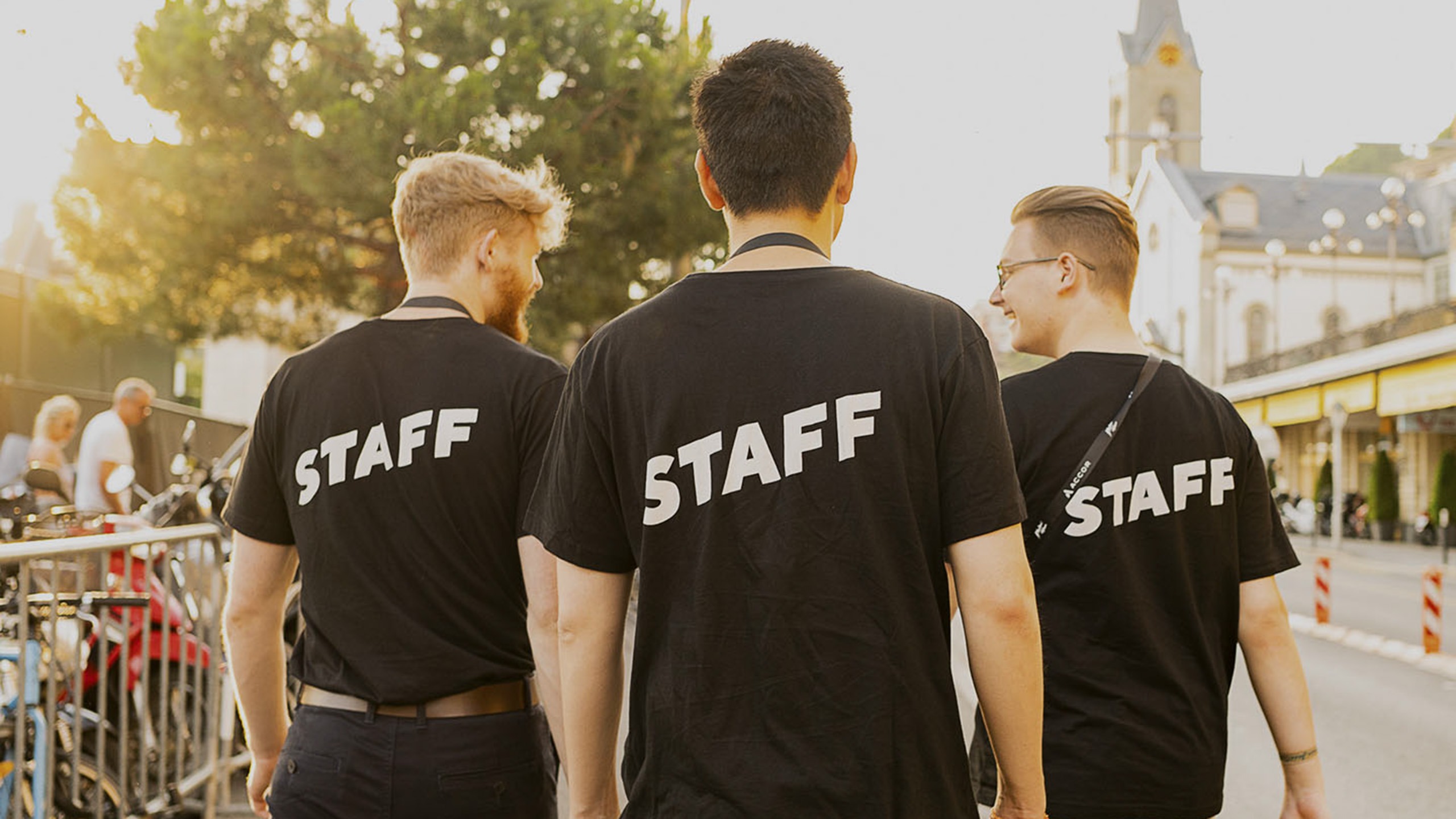
Courses and accreditation are perfect for filling knowledge gaps, learning theory, and proving credentials, but they don’t replace real-life experience, which gives professionals confidence in their careers.
Young professionals often start by volunteering at festivals and local events, or searching for entry-level positions and internships.
Even the largest festivals, like Glastonbury, recruit volunteers each year through charities and organisations like Greenpeace, Oxfam, Festaff, and Hotbox Events. Though, as volunteers usually receive free festival access, these spaces are very competitive. Be proactive and sign up early.
Internships are also great for new professionals, but like volunteer slots, they are highly sought-after. For larger companies, internships are often released in January, and for smaller companies, it can be just a few months before the start date. Follow event companies on social media so you have a better chance of seeing the advertised roles, and getting in early.
Remember, you don’t actually need to wait until a job is advertised. Most companies respect enquiries about roles, even when they’re not publicly hiring. It’s a great way to put yourself on their radar and show confidence.

People often say that it’s who you know, not what you know, but when it comes to event careers, it’s usually a combination of the two. While your skills and experience prepare you for the industry, people can open new doors and offer great opportunities.
Networking is not just helpful for current opportunities; it also builds your contacts for future requirements. For example, you might connect with a professional videographer at an event, or on a platform like LinkedIn, who is the perfect fit for a job down the line. The wider your professional network, the easier your job will be as an event manager.
This is why it is important to attend networking events, join associations, and put in the extra effort to make a lasting impression.
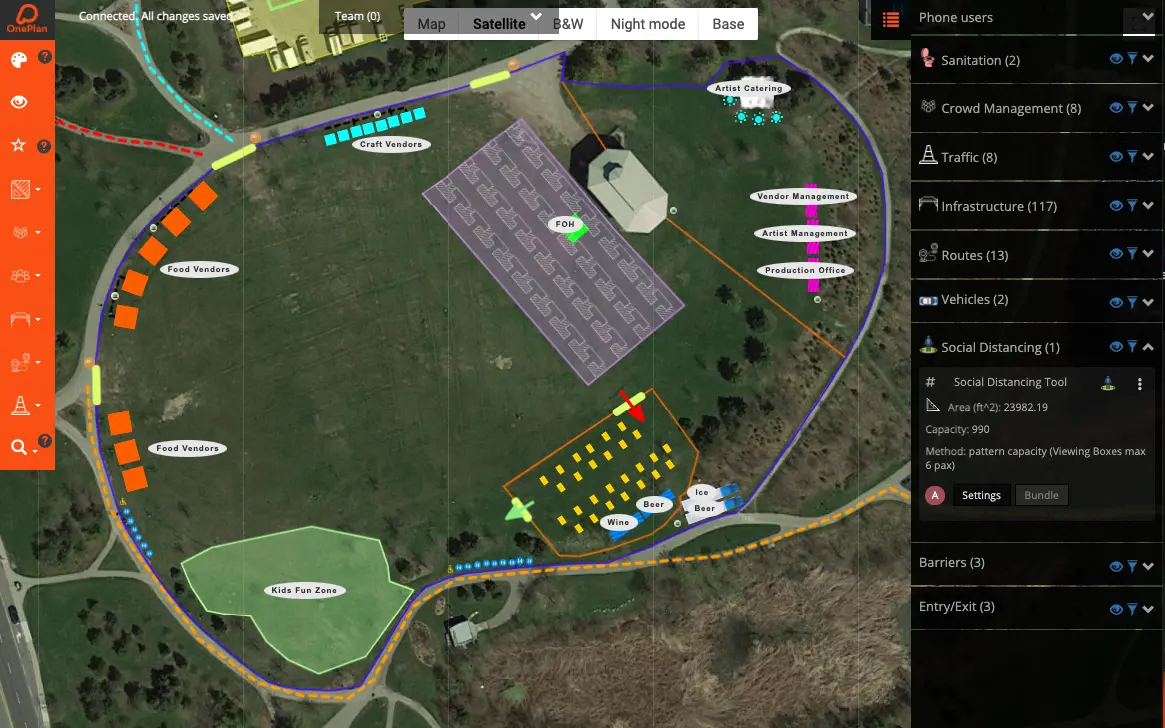
As an event manager, you will need to be familiar with event management tools, or at least the most prominent and popular ones. Most of these tools now offer a free demonstration or tour. Book onto demos or sign up for training courses to get to grips with the event management tools and ticket-management platforms. At a minimum, familiarise yourself with Eventbrite, Cvent, and Zoom, as these are the most popular platforms in the industry. To further your knowledge, make the most of the free resources on YouTube!
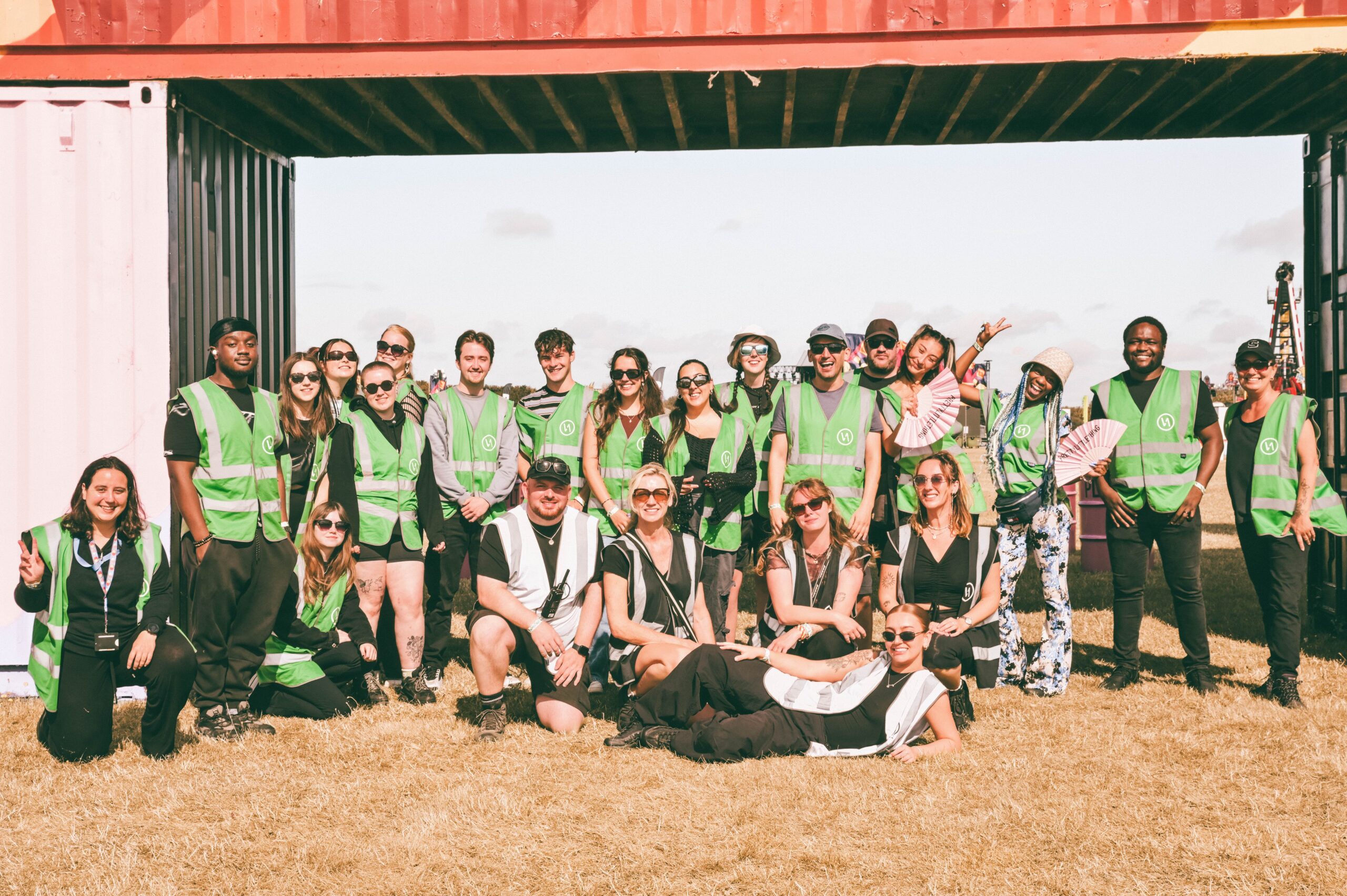
Finally, find a job! If you’ve put in the effort, developed your skills, acquired trusted qualifications, gained practical experience, and familiarised yourself with the key technology, then it’s time to find a role in event management. Use job-hunting sites like Indeed, reach out to event companies with a CV, and make the most of LinkedIn to find the right role.
Professional development should continue long after acquiring your event management role; you don’t want to settle. The event industry is always evolving with innovative technology, new trends, and changing priorities. Whether that is new software, catering to a younger working demographic, or the pressure to consider sustainability, there’s always more to learn.
Keep knowledge fresh with trustworthy and relevant publications like StandOut Magazine and Exhibition News. This, and exploring new courses and the latest opportunities, can help build your skills, experience, and portfolio.
If you’re still feeling unsure about courses, and routes into event management, get in touch with Event’s Crowds expert team, for a career consultation call.
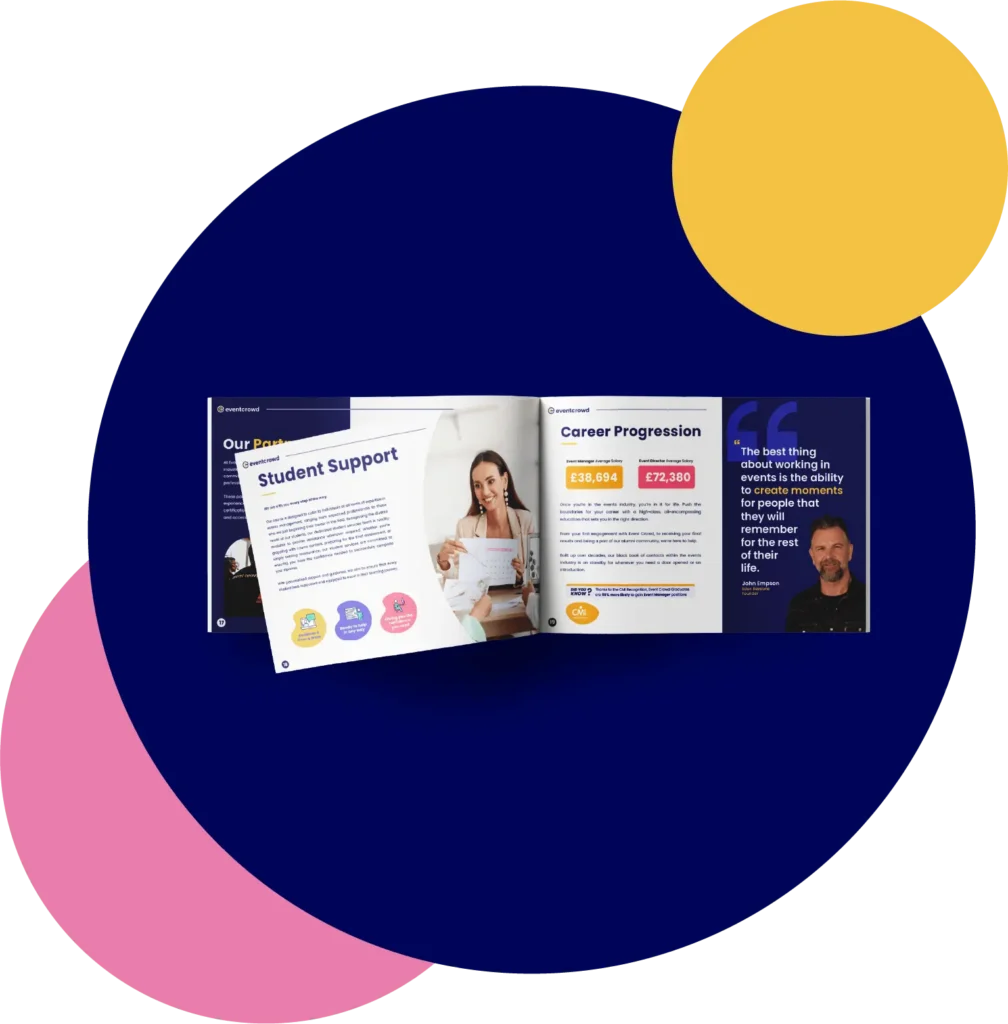
Get a clear overview of our online diplomas, student stories, reviews, and a short course explainer video. Everything you need to see how Event Crowd can help you advance in the events industry.
We’ll send a copy of the brochure directly to your email address.
We’ll send a copy of the brochure directly to your email address.

We’ll use your details to send our brochure directly to you.