

Within the last decade, the events sector has seen a significant change in the role of sustainability.
What was once considered “nice-to-have”, or even an optional extra in event planning, now shapes events from the earliest planning stages, influencing decisions on which vendors and suppliers to use, and even which initiatives to include.
The significance of sustainability is not just noticeable in events; it influences all major sectors. However, since events are usually public-facing and draw large crowds, they are more vulnerable to criticism.
With events in the spotlight, it is even more important to take sustainability seriously. Join us as we share our tips for creating events that pack a punch without sacrificing your reputation or the environment.
By definition, for a practice to be considered “sustainable”, it should function in a way that can be sustained without running out of resources or causing environmental harm.
It can be difficult to make a perfectly sustainable event overnight. However, event planners can make significant improvements by:
– Sourcing locally
– Minimising waste
– Investing in the local community
– Implementing sustainability initiatives
– Partnering with sustainable venues
– Employing offsetting initiatives where waste cannot be reduced
It is worth remembering that genuine sustainability can take some time to achieve. If you attempt to do everything at once, you may find the event unviable in terms of time and cost, so it’s important to be realistic about what you can achieve.
Let’s look at some of the most important factors to consider when planning a sustainable event.
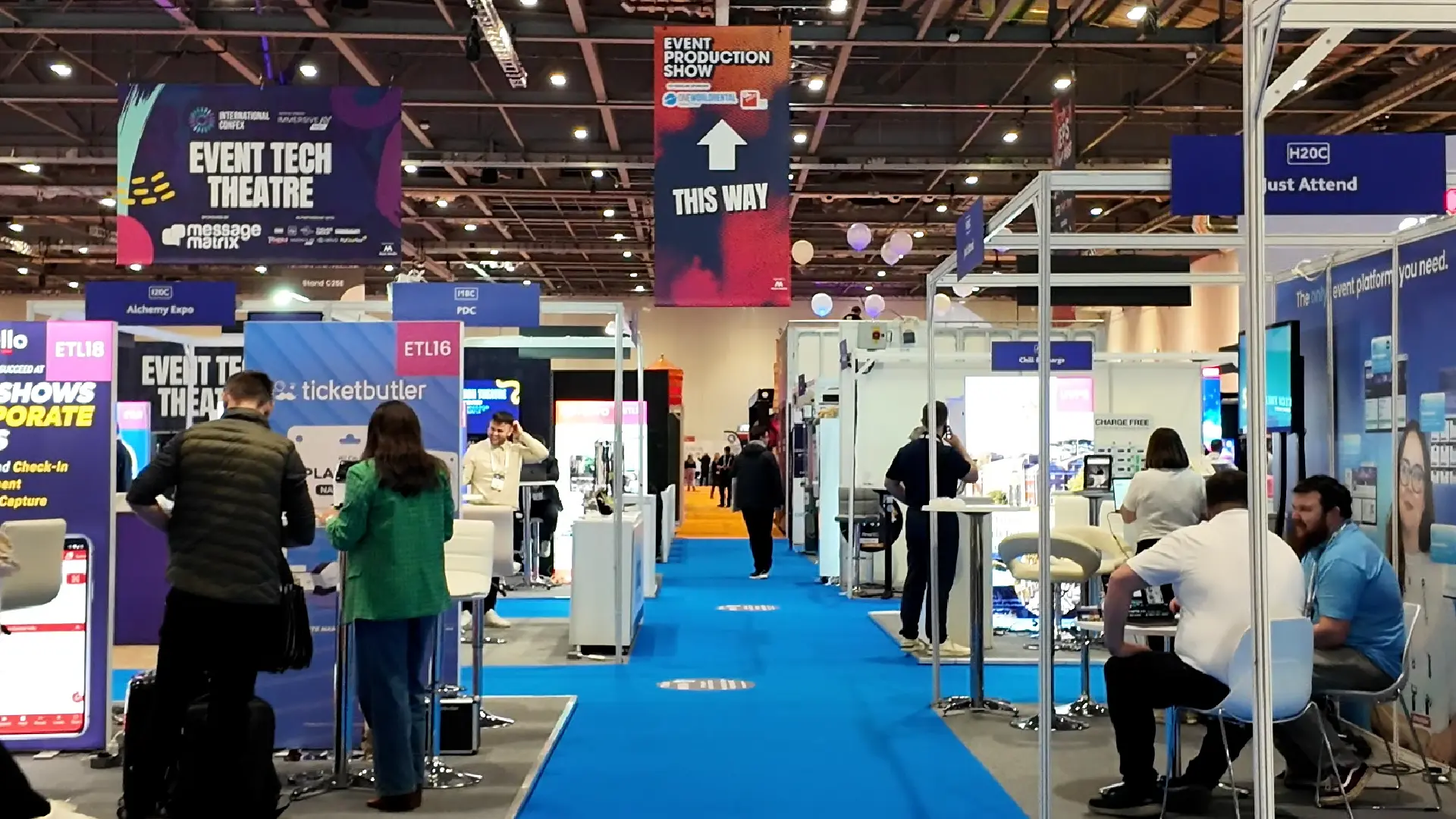
We always say that the choice of venue is one of the most important decisions in creating a sustainable event, as it influences up to 80% of an event’s environmental impact. So if you’re looking to create a sustainable event, this is a great place to start!
There’s a reason why venues like the NEC, Excel, and Olympia are all so popular for business events, and it’s not just their size! These venues have invested millions into optimising facilities for sustainability, with energy-efficient lighting, recycling programmes, on-site worm farms, and strict zero-waste-to-landfill policies, just to name a few.
Each venue has different facilities and characteristics, so before selecting one, conduct research to find which aligns best with your goals and event type. Evaluate factors such as:

Over the years, one of the greatest criticisms of events has been their waste. Whether it is the 250,000 tents left behind each year at UK festivals, or the single-use stands, which contribute up to 80% of the waste in trade show halls, event waste is often in the headlines.
Because of the nature of events, which draw large groups of people together, there is bound to be some waste, some of which is more noticeable as it’s concentrated to one location. However, there are other factors at play, such as promotional materials, temporary stands/ infrastructure, and even food waste, that can definitely be reduced.
For example, many trade shows are enforcing paperless events and regulations around one-use stands to limit waste from tickets, promotional items, brochures, and single-use stands.
Common waste-reduction policies and solutions include:
It is easy to think that suppliers’ practices have little impact on the event’s overall sustainability and reputation, but this couldn’t be further from the truth. With 60% of UK carbon emissions originating from supply chains, the people that you partner with, such as caterers, entertainers, and marshals, play a vital role in delivering an eco-friendly event.
Once you start working with a vendor, their supply chains and reputation become an extension of your own, so it is important to make sure you align in terms of ethics and environmental practices. Transparent supply chains are a must for ensuring that you have a full picture and understanding of the practices at play.
We always recommend prioritising local suppliers, not only because it supports the local community, but also because it is one of the most effective ways of reducing travel emissions.

Catering also plays a key role in creating eco-friendly events, as the type of food you offer, the specific caterer, and the amount of excess food all impact the event’s footprint.
To ensure your catering is on par with the rest of your sustainability efforts, consider:
By this point, you’ll probably be familiar with the importance of waste reduction at events. However, you may not know that much of this waste, particularly paper, can be reduced using tech!
Specific substitutions include:
These digital substitutes save on paper waste, but they can also be much more convenient for guests. Just make sure good wifi/internet is provided so that visitors can access content throughout the event. Never rely on data, which often becomes patchy at large events.
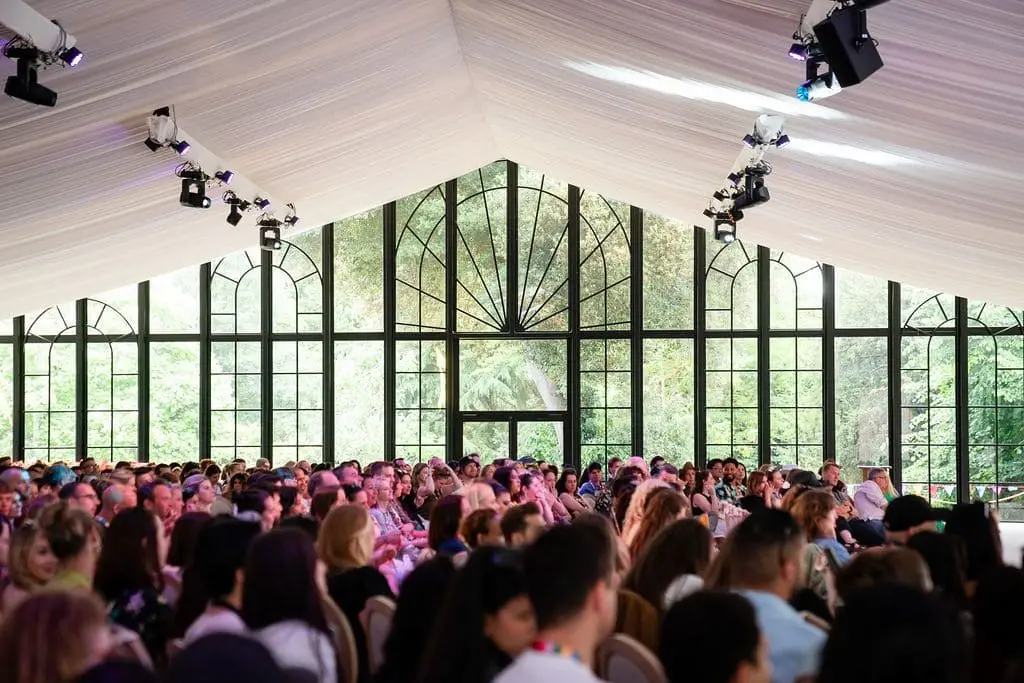
Part of sustainable event management is monitoring and reducing energy usage. Many events need lighting effects and AV to create memorable, impactful experiences, so this tip is a bit of a balancing act between impact and sustainability. However, the following tips can help you to reduce the amount of energy used:
1) Choose venues with natural lighting – Where it aligns with the event, select outdoor venues or ones with good natural light to reduce energy usage.
2) Select eco-friendly venues – Choose venues that use sustainable, energy-efficient lighting.
3) Prioritise energy-efficient AV Equipment – Not all equipment has equal energy efficiency, so it’s worth being selective.
4) Turn off unused equipment – If you are easily able to do so, switch off equipment when it is out of use.
As an event planner, you can lay the foundations for a sustainable event, but you cannot guarantee results unless your visitors are also on board. Here are our top tips for increasing visitor participation:
Reference your sustainability measures on your event website, social media, and email marketing, notifying visitors of any specific initiatives or requirements for the event.
If you want guests to bring a reusable bottle, use public transport, or utilise digital tickets, make sure they are aware before the event so they can prepare. This should be made obvious across all event platforms.
Incentives can make sustainability immediately more attractive to guests, which naturally increases compliance.
For example, some organisers offer ticket discounts, special access, or perks to visitors who travel by public transport, rather than by car. Other incentives could include drink discounts for those who bring reusable flasks/ water bottles.
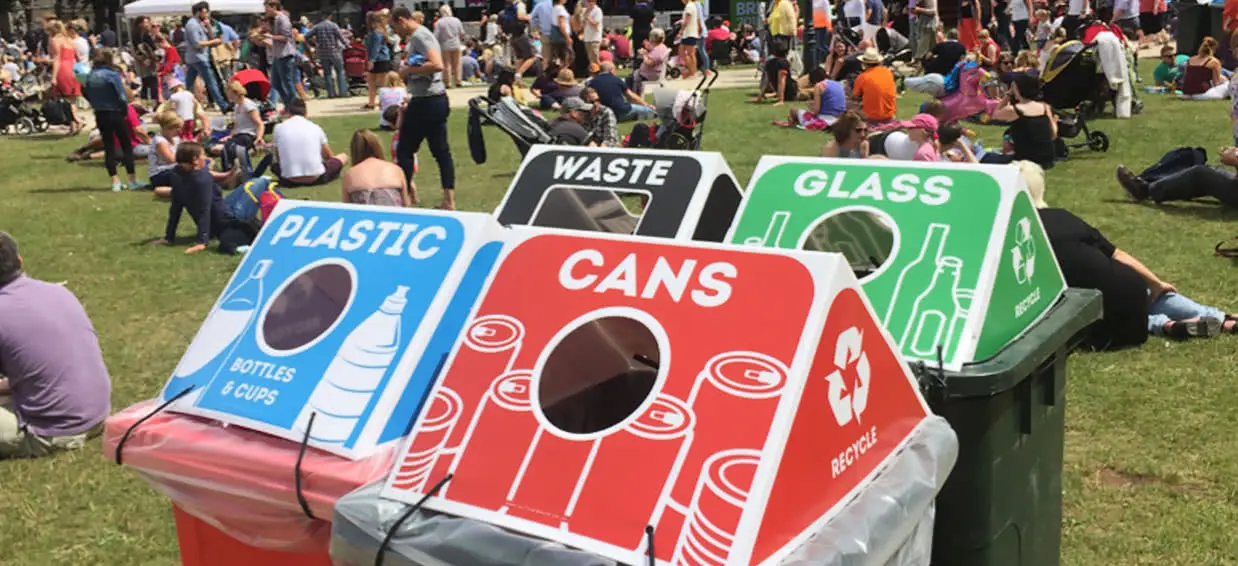
Lastly, you should always aim to make sustainability measures as easy to comply with as possible. This could be positioning a recycling bin next to every general waste bin, or integrating digital schedules with calendars to make the show day simpler. There are many ways to make sustainability easy to participate in!
The events industry may have only started its sustainability journey just a few years ago, but many hiring managers recognise that its role in the industry is only continuing to grow in importance.
In this new landscape, having an understanding of how to create sustainable events and improve ESG audits can give event professionals a competitive edge in the hiring process. In fact, by 2023, approximately 80% of event planners already considered sustainability in their planning!
With this in mind, if you’re an up-and-coming event planner, we strongly recommend that you prioritise qualifications and experience in this area. For more information, explore our Event Management Courses.
It is important to recognise that you don’t need to implement all of your sustainability changes overnight. As we mentioned previously, genuine sustainability often takes some time to achieve, and sometimes rushing the process does more harm than good.
Start small, and understand that you can continue to add to improve your environmental footprint over time. Many events run annually, so this actually makes for a great opportunity to track your progress year on year!
By this point, you’ll be aware that sustainability is essential to modern event management.
All of the factors that reduce the environmental impact of an event, such as the venue, suppliers, policies, pledges, and waste reduction, ultimately begin with event planners and organisers.
By learning how to create sustainable events, event professionals can improve the environment, their event reputations, and career prospects, while also helping to improve the industry that we all know and love, by creating a more sustainable future.

Get a clear overview of our online diplomas, student stories, reviews, and a short course explainer video. Everything you need to see how Event Crowd can help you advance in the events industry.
We’ll send a copy of the brochure directly to your email address.
We’ll send a copy of the brochure directly to your email address.

We’ll use your details to send our brochure directly to you.