

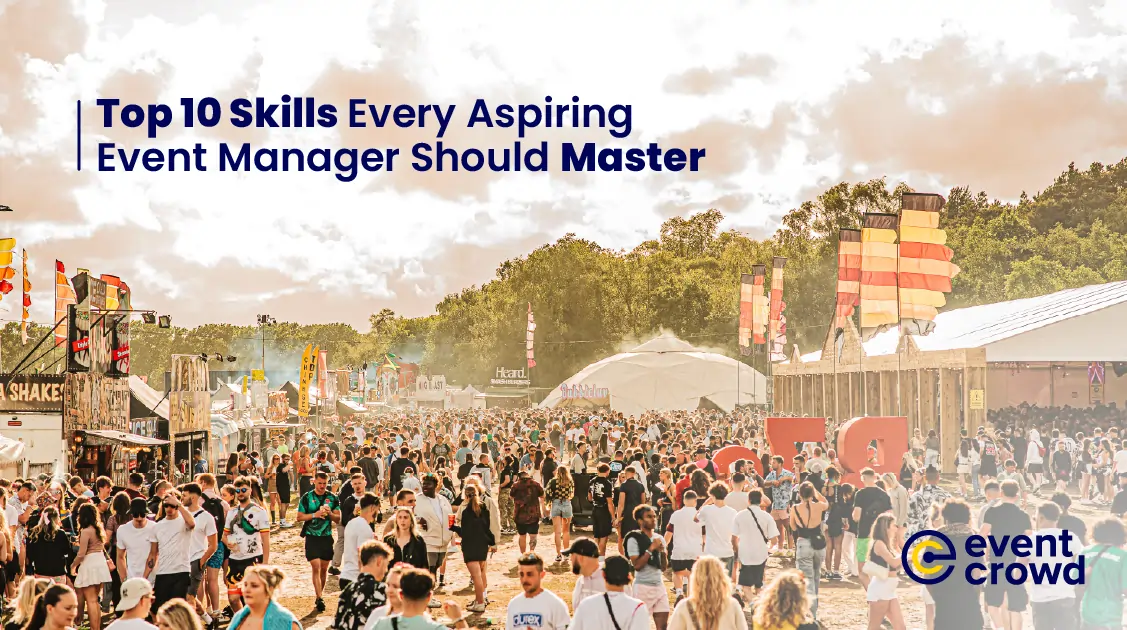
As an event manager, your job is to turn ideas into experiences, whether it’s a festival, product launch, corporate conference or a wedding. You’ll have to juggle lots of different things to deliver events that don’t just run smoothly, but meet objectives and budgets, as well as leave a lasting impression. It’s an incredibly multidisciplined role – one minute you’re brainstorming creative ideas and, the next, you’re crunching numbers.
So, how do you prepare for it all? In this article, we’ll look at exactly that: what skills does an event manager need to succeed in the event industry? Here are the top 10:
1. Organisation and Time Management
Having to balance multiple moving parts, including budget allocation, venue and supplier coordination, risk assessments, media collaboration, and staff management, requires strong organisation skills. Even the best of concepts will fall apart without proper structure, not to mention the possibility of last-minute changes or unexpected issues that could hinder everything.
Detailed planning and good time management are, therefore, among the most crucial event manager skills. In practice, this means learning how to break an event down into clear phases and prioritise the right tasks to stay on top of the deadlines. You should also know how to utilise various project planning and scheduling tools, be it checklists, site plans, Run Sheets, Gantt Charts, EMPs (Event Management Plans), and similar.
2. Communication and Negotiation
Event managers are the people that link everyone together: clients, vendors, guests, speakers, performers, staff… Any miscommunication could lead to mistakes that will cost you both time and money. Learning how to express your ideas and give instructions clearly will help you avoid this (and unnecessary stress).
Being confident in how to negotiate effectively is just as important. Event budgets can be tight and suppliers may have limited availability. Negotiation skills will help you secure better deals or more favourable terms. It could also come in handy in staying calm during conflicts. The key here is to come well-prepared and focus on win-win solutions – it’s all about finding common ground.

3. Networking and Relationship Building
Working in such a people-driven industry like events, it’s no surprise that networking and relationship building becomes a central part of the job. The more trusted connections you have, the easier it is to find reliable suppliers, discover new venues, find last-minute replacements, and even get access to opportunities that aren’t advertised publicly. It’s one of the best long-term investments you, as an event manager, can make.
4. Creativity and Innovation
Creativity is what turns a well-organised event into a truly memorable one. Event managers are expected to bring fresh concepts to the table, whether that’s through unique layouts, innovative formats, unexpected environments or interactive experiences.
However, these ideas must align fully with the brand’s identity and audience, while also staying within the constraints of limited budgets and timelines. Out-of-the-box thinking and creative problem-solving will often be needed to bring everything together.
5. Attention to Detail
Creativity is what turns a well-organised event into a truly memorable one. Event managers are expected to bring fresh concepts to the table, whether that’s through unique layouts, innovative formats, unexpected environments or interactive experiences.
However, these ideas must align fully with the brand’s identity and audience, while also staying within the constraints of limited budgets and timelines. Out-of-the-box thinking and creative problem-solving will often be needed to bring everything together.

6. Technical and Digital Skills
Modern events increasingly rely on technology and event managers are expected to understand it. These technical skills can include managing ticketing platforms, check-in systems, livestream tools, radio handsets, and event control rooms. You should also understand how sound and lighting systems work so you can communicate your requirements confidently.
Similarly, the majority of events will be using digital marketing techniques to grow online visibility and audiences. You’ll need to have a good grasp of how ticket sales work online, how websites are built and managed, how to create engaging content, and how to approach different social media platforms.
7. Budgeting and Financial Management
Budgeting is one of the most important event manager skills – every decision you make links back to the costs. A well-managed budget keeps the event financially viable while retaining high quality. It also builds trust with clients and stakeholders, giving them confidence that their money is being spent wisely.
Managing event finances will involve:
As an event manager, you should have a good understanding where money makes the biggest difference and where costs can be reduced without impacting the overall experience.
8. Problem-Solving and Crisis Management
Events don’t always go to plan and there are so many different crises that could arise unexpectedly. Suppliers can be running late, weather can change suddenly, equipment can break last-minute, performers can cancel due to illness – life happens and there’s nothing you can do to stop it.
What you can do, though, is stay calm and find solutions quickly, even when put under enormous pressure. Having good crisis management skills means you’ll be able to assess the situation without panic, communicate it clearly, find the best available options, and make decisions with confidence. Of course, preparing a contingency plan in advance for possible risks will lift a lot of that pressure off your shoulders.
9. Flexibility and Adaptability
The events industry is incredibly fast-paced, and so you need to be able to adapt to changes quickly and professionally. This does not only involve last-minute cancellations or timetable switches, but also social media trends and changing client expectations. What worked last year may not work the next. Staying flexible and open-minded is the only way to keep up.
10. Leadership and Team Management
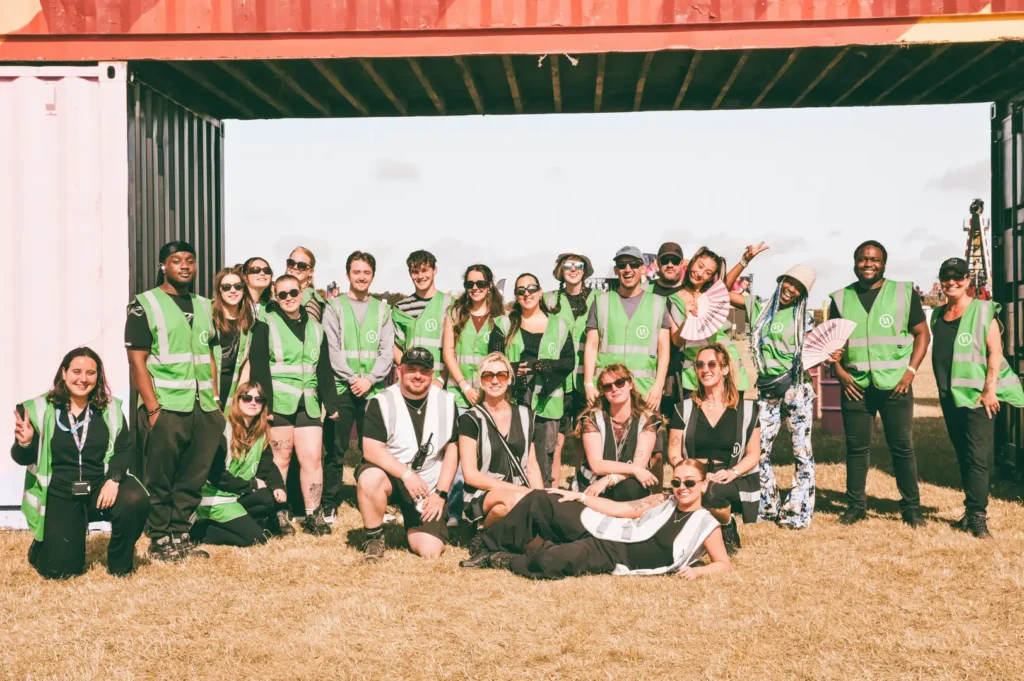
As an event manager, you’ll find yourself coordinating a number of different people, from vendor contractors to catering staff. Many of them will be people you’ve never met. Strong leadership skills will allow you to build rapport with them and, as a result, deliver a successful event together.
This includes delegating tasks effectively and ensuring that everyone understands their responsibilities. On the long and stressful days, you’ll be the one motivating the teams and keeping energy levels high. There may also be situations where you’ll have to resolve team conflicts or make difficult decisions (e.g. letting go of a team member).
Learn the Right Skills with the Event Crowd
Mastering these 10 events manager skills will give you the foundation you need for a successful career in this exciting sector. If you’re ready to take the next step, consider one of the Event Management Courses at Event Crowd.
Created and taught by industry experts, our courses were developed to teach you the real-world skills and practical knowledge you’ll need across a range of disciplines. Not just that, they are fully online, so you can learn at your own pace with the support of dedicated tutors.

Get a clear overview of our online diplomas, student stories, reviews, and a short course explainer video. Everything you need to see how Event Crowd can help you advance in the events industry.
We’ll send a copy of the brochure directly to your email address.
We’ll send a copy of the brochure directly to your email address.

We’ll use your details to send our brochure directly to you.